
مقدمة
Language development is a fascinating and crucial part of a child’s growth. From the first babbling sounds to their first words and complete sentences, toddlers go through an incredible journey of acquiring language skills. As parents and caregivers, there are many ways we can encourage and support their language development. In this blog, we will explore some effective strategies to help toddlers develop their speech and language skills.
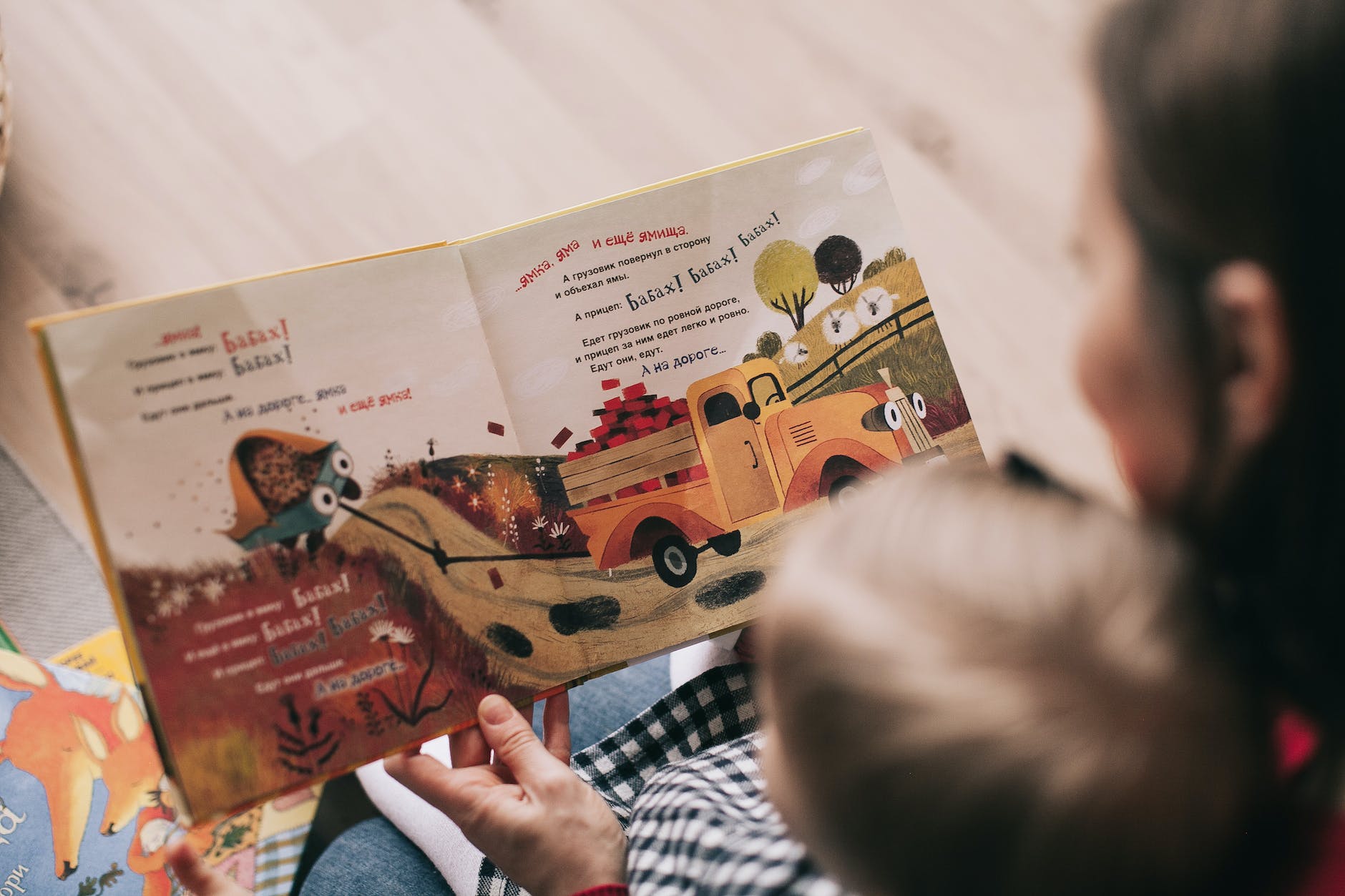
- Create a language-rich environment: One of the best ways to encourage language skills is to immerse toddlers in a language-rich environment. Speak to them often, using clear and simple language. Talk about everyday activities, objects, and people around them. Read books aloud, sing songs, and introduce them to rhymes and fingerplays. These activities not only expose toddlers to vocabulary but also help them understand how language works.
- Respond to their attempts at communication: Toddlers often communicate through gestures, sounds, and simplified words. Encourage their attempts at communication by responding and engaging in conversations. Even if their words may not be clear, acknowledge their efforts and repeat what they are trying to say. By doing so, you validate their experiences and show them that their words matter.
- Use gestures and visuals: Apart from verbal communication, toddlers also benefit from the use of gestures and visuals. Point to objects while saying their names to establish connections between words and their meanings. Use hand gestures, facial expressions, and body language to supplement verbal communication. Visual aids like picture books and flashcards can also be helpful in expanding their vocabulary and understanding.
- Engage in interactive play: Interactive play is an excellent way to promote language development. Encourage pretend play and engage in activities that involve imitating actions, making animal sounds, or role-playing. These interactions provide opportunities for toddlers to practice language skills in a playful and enjoyable manner.
- Limit screen time and encourage face-to-face interactions: Excessive screen time can hinder a child’s language development. Limit their exposure to screens and replace it with face-to-face interactions. Quality conversation and personal interactions establish a stronger foundation for language learning. Encourage eye contact, active listening, and turn-taking during conversations.
- Create a language routine: Establishing a language routine can be beneficial for toddlers. Set aside dedicated time each day for activities that focus on language development, such as reading a book, discussing the day’s events, or engaging in storytelling. Consistency plays a crucial role in language acquisition, and a predictable language routine helps toddlers anticipate and participate in these activities.
- Reinforce language skills through repetition and praise: Repetition is key when it comes to language learning. Repeat words and phrases often, allowing toddlers to become familiar with new vocabulary. Praise their efforts and provide positive reinforcement to boost their confidence. Celebrate their milestones and progress, creating a positive and encouraging environment.
الخلاصة
Encouraging language skills in toddlers is a rewarding experience that sets the stage for their future communication and cognitive abilities. By creating a language-rich environment, responding to their attempts at communication, and engaging in interactive play, parents and caregivers can play a vital role in their child’s speech development. Remember, every child develops at their own pace, so patience and support are crucial throughout this journey.
